Best Backpacking Stoves in 2026
Six proven backpacking stoves compared, from 3-ounce canister burners to fast-boiling integrated systems and a twig-burning stove that needs no fuel canister.
- 6 picks
- 5 min read
- Updated Nov 20, 2026
As an Amazon Associate I earn from qualifying purchases. If you buy through a link here we may earn a commission, at no extra cost to you. Details
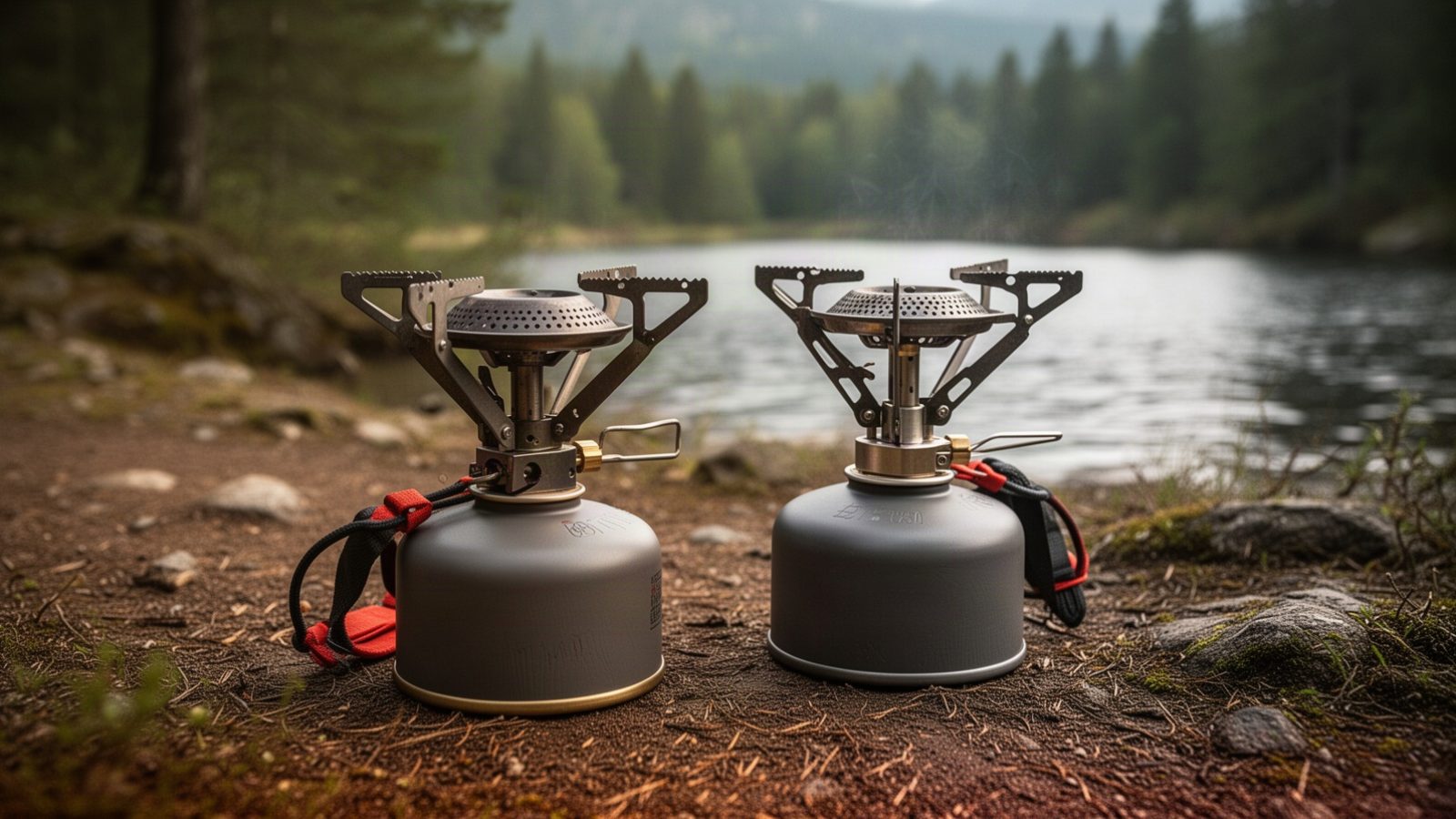
A backpacking stove has one main job: turn a canister of fuel into hot water and simple meals with as little weight and fuss as possible. For most hikers that means a tiny burner that screws onto an isobutane-propane canister, or an integrated system where the burner, pot and windscreen lock together into one efficient unit.
The right choice depends on how you eat. If you mostly rehydrate freeze-dried meals and make coffee, a fast integrated system or a featherweight burner is ideal. If you actually cook, simmer control and a wider pot matter more than boil time. We compared the most popular, long-running models from MSR, Jetboil and SOTO, plus one wood-burning option, and matched each to the kind of trip it suits best.
The lineup
 Best overall MSR PocketRocket Deluxe Stove
Most backpackers who want light weight and real flame control
9.4 Buy Now on Amazon
 Best for fast boiling Jetboil Flash Cooking System
Hikers who mostly boil water for dehydrated meals and coffee
9.1 Buy Now on Amazon
 Best for cooking meals Jetboil MiniMo Cooking System
Hikers who simmer, stir and eat out of the pot
8.9 Buy Now on Amazon
 Best value ultralight MSR PocketRocket 2 Stove
Weight-conscious hikers on a budget
8.7 Buy Now on Amazon
 Best in wind SOTO WindMaster Stove with 4Flex
Exposed campsites, shoulder seasons and high camps
8.8 Buy Now on Amazon
 Best wood-burning Solo Stove Lite Wood-Burning Stove
Hikers who want to skip fuel canisters
7.9 Buy Now on Amazon
AI picture
- TypeCanister-top
- FuelIsobutane-propane canister
- IgnitionPush-button piezo
- Weight2.9 oz
- RegulatorYes
#1Best overall9.4/10
MSR PocketRocket Deluxe Stove
MSR
A featherweight canister stove with a push-button igniter and a pressure regulator for steadier output in the cold.
Good for: Most backpackers who want light weight and real flame control
- Pressure regulator keeps output steadier as the canister cools
- Built-in igniter for quick lighting
- Wide, recessed burner head handles a light breeze better than most small burners
- Works with almost any small backpacking pot
- Open flame still needs shelter from strong wind
- Premium-priced for a canister-top stove
- Carry a lighter in case the igniter fails
The PocketRocket Deluxe takes MSR’s long-running ultralight burner and adds the two upgrades most hikers end up wanting: a push-button igniter and a pressure regulator. The regulator matters more than it sounds. As a canister gets cold or runs low, unregulated stoves lose power, while a regulated stove keeps a more consistent flame, which helps on chilly mornings and at altitude.
The broad burner head spreads heat across the base of a pot rather than concentrating it in a small hot spot, which makes simmering and cooking more forgiving. It still weighs under 3 ounces, so you give up almost nothing over the most minimal burners.
Like every canister-top stove, it is at its worst in strong wind, so use rocks, your pack or terrain as a wind break.
The short version: The best all-round backpacking stove for hikers who want low weight without giving up flame control.
AI picture- TypeIntegrated system
- FuelIsobutane-propane canister
- IgnitionPush-button igniter
- Cup1 liter, insulated cozy
- Weight13.1 oz
#2Best for fast boiling9.1/10
Jetboil Flash Cooking System
Jetboil
An integrated burner and 1-liter insulated cup built for boiling water quickly and efficiently.
Good for: Hikers who mostly boil water for dehydrated meals and coffee
- Heat-exchanger cup boils water quickly and efficiently
- Everything nests together, with room for a small canister inside
- Color-change heat indicator on the cozy
- Insulated cozy lets you hold the cup and eat from it
- Tall, narrow cup is poor for real cooking
- No pressure regulator, so it slows down in the cold
- Heavier than a canister-top burner and separate pot
The Flash is the classic boil-in-a-cup system. The burner locks into a 1-liter cup with a built-in heat exchanger, so more of the flame’s energy goes into the water and less escapes around the sides. That design is what makes integrated systems so fast and fuel-efficient for pouch meals, coffee and hot drinks.
Practical touches add up: the insulated cozy lets you hold the cup and eat from it, a color-change patch shows when the water is hot, and the stove and a small canister pack inside the cup.
The trade-off is versatility. The tall, narrow cup is awkward for stirring or frying, and without a regulator the Flash loses some pace in cold weather. If boiling water is all you need, though, it is hard to beat.
The short version: A superb choice if your camp kitchen is mostly boiling water for freeze-dried meals and drinks.
AI picture- TypeIntegrated system
- FuelIsobutane-propane canister
- IgnitionPush-button igniter
- Cup1 liter, short and wide
- Weight14.6 oz
- RegulatorYes
#3Best for cooking meals8.9/10
Jetboil MiniMo Cooking System
Jetboil
An integrated system with a shorter, wider 1-liter cup, a regulated burner and fine simmer control.
Good for: Hikers who simmer, stir and eat out of the pot
- Short, wide cup is easier to stir and eat from
- Regulated burner for steadier cold-weather output
- Good simmer control for an integrated system
- Metal handles fold over the cup
- Heaviest stove in this guide
- Still a one-pot system, not a frying setup
- Premium-priced
The MiniMo is Jetboil’s answer to the main complaint about the Flash: integrated systems are great at boiling and poor at cooking. Its 1-liter cup is shorter and wider, so a spoon reaches the bottom easily and food spreads out over the heat instead of scorching in a narrow column.
The burner is regulated, which helps it keep a steady flame as temperatures drop, and Jetboil gives it noticeably finer simmer control than its boil-focused models. That makes ramen, rice, oatmeal and one-pot pasta much easier to manage without burning the bottom.
At just under a pound, it is not light, but for hikers who see dinner as more than rehydration, the extra ounces buy real cooking flexibility.
The short version: The integrated system to choose if you want efficiency and the ability to actually cook.
AI picture- TypeCanister-top
- FuelIsobutane-propane canister
- IgnitionNone (use a lighter)
- Weight2.6 oz
- RegulatorNo
#4Best value ultralight8.7/10
MSR PocketRocket 2 Stove
MSR
A simple, proven 2.6-ounce canister burner with no extras to break.
Good for: Weight-conscious hikers on a budget
- Very light and packs into a small mug
- Simple design with little to go wrong
- Folding pot supports handle a range of pot sizes
- Budget-friendly for an MSR stove
- No igniter, so you need a lighter or matches
- Unregulated output fades in the cold
- Vulnerable to wind
The PocketRocket 2 is about as simple as a good backpacking stove gets: a small burner, three folding pot supports and a valve. It weighs 2.6 ounces and folds small enough to fit inside a mug with a fuel canister.
Simplicity is its biggest strength. There is no igniter to fail and no regulator adding cost, and it pairs with whatever pot you already own, from a titanium mug to a 1.5-liter pot for two.
What you give up is cold and wind performance. Without a regulator, output drops as the canister chills, and the exposed flame needs shelter on breezy ridges. For three-season trips below treeline, though, it delivers everything most hikers need.
The short version: An excellent, no-fuss ultralight stove if you camp mostly in mild conditions.
AI picture- TypeCanister-top
- FuelIsobutane-propane canister
- IgnitionPush-button piezo
- WeightAbout 3 oz with 4Flex support
- RegulatorYes (micro regulator)
#5Best in wind8.8/10
SOTO WindMaster Stove with 4Flex
SOTO
A regulated canister stove with a concave, wind-resistant burner head and a protected igniter.
Good for: Exposed campsites, shoulder seasons and high camps
- Concave burner head acts as a built-in windscreen
- Micro regulator steadies output in the cold
- Igniter is well protected inside the burner
- Removable 4Flex pot support packs separately
- Pot support has to be attached before each use
- Smaller pot support is less stable with big pots
- Premium-priced
SOTO built the WindMaster around one problem: canister stoves lose a lot of heat in wind. Its burner head sits in a concave cup that shields the flame, and SOTO’s micro regulator keeps output consistent as canister pressure drops in the cold. Together they make it one of the most dependable small stoves for exposed or chilly campsites.
The igniter runs through the center of the stove, where it is protected from knocks, and the clip-on 4Flex pot support packs separately so the burner stays compact.
That modular design is also its quirk. You attach the support each time, and it is happiest with small and medium pots rather than a wide pan. For solo hikers and pairs who camp above treeline, it is a smart upgrade.
The short version: The canister-top stove to buy if wind and cold are regular parts of your trips.
AI picture- TypeWood-burning
- FuelTwigs, pinecones and small wood
- IgnitionManual (lighter or matches)
- Weight9 oz
- MaterialStainless steel
#6Best wood-burning7.9/10
Solo Stove Lite Wood-Burning Stove
Solo Stove
A double-wall stainless steel stove that burns twigs and pinecones gathered on the trail.
Good for: Hikers who want to skip fuel canisters
- No fuel canister to buy, carry or run out of
- Double-wall design is built for a cleaner, more efficient burn
- Stainless steel construction
- Nests inside a matching pot
- Slower and needs constant feeding
- Often banned during fire restrictions
- Leaves soot on pots
The Solo Stove Lite is a small double-wall stainless steel cylinder that burns whatever dry twigs and pinecones you find. Air is drawn up between the walls and fed back into the top of the fire, a design meant to burn wood more completely with less smoke than an open fire.
The appeal is independence. You never carry a canister or worry about running out of fuel, which suits long trips and hikers who enjoy tending a small fire.
The drawbacks are real, though. It takes longer to boil water, needs regular feeding, blackens your pot and is not allowed in many areas when fire danger is high. Many hikers carry it with a small alcohol or solid-fuel burner as a backup.
The short version: A satisfying, fuel-free option for wetter seasons, best paired with a backup plan for fire bans.
Compare at a glance
| Pick | Type | Fuel | Ignition | Weight | Score |
|---|---|---|---|---|---|
| #1 MSR PocketRocket Deluxe Stove | Canister-top | Isobutane-propane canister | Push-button piezo | 2.9 oz | 9.4 |
| #2 Jetboil Flash Cooking System | Integrated system | Isobutane-propane canister | Push-button igniter | 13.1 oz | 9.1 |
| #3 Jetboil MiniMo Cooking System | Integrated system | Isobutane-propane canister | Push-button igniter | 14.6 oz | 8.9 |
| #4 MSR PocketRocket 2 Stove | Canister-top | Isobutane-propane canister | None (use a lighter) | 2.6 oz | 8.7 |
| #5 SOTO WindMaster Stove with 4Flex | Canister-top | Isobutane-propane canister | Push-button piezo | About 3 oz with 4Flex support | 8.8 |
| #6 Solo Stove Lite Wood-Burning Stove | Wood-burning | Twigs, pinecones and small wood | Manual (lighter or matches) | 9 oz | 7.9 |
Specs come from manufacturer listings when we wrote this guide and can change between production runs.
Buying tips
Canister-top, integrated or wood-burning?
Canister-top stoves are tiny burners with folding pot supports that screw directly onto a fuel canister. They are the lightest and most flexible option, because you can pair them with any small pot you already own. Their weakness is wind: an open flame under a pot loses a lot of heat in a breeze.
Integrated systems such as the Jetboil Flash combine burner, pot and a heat exchanger that wraps around the flame. They boil water very efficiently, sip fuel and shrug off light wind, but they weigh more and are built for boiling rather than frying.
Wood-burning stoves burn twigs and pinecones you collect on the trail, so you carry no fuel at all. They are slower, leave soot on your pot and are often banned during fire restrictions, so they work best as a backup or for trips in wetter seasons.
Boiling versus cooking
Ask yourself honestly what you eat in camp. If every dinner is a pouch meal, look for speed and fuel efficiency. If you like to sauté, simmer rice or cook pasta, prioritize a stove with fine flame control and a shorter, wider pot that is easier to stir and eat from.
Wind and cold-weather performance
Canister pressure drops as temperatures fall, which slows boil times. A pressure regulator, found on the PocketRocket Deluxe, MiniMo and SOTO WindMaster, keeps output steadier as the canister cools and empties. A recessed or concave burner head helps shield the flame from wind. Never wrap a full windscreen tightly around a canister-top stove, because trapped heat can overheat the canister.
Features worth paying for
- A push-button igniter is a real convenience, but always carry a lighter as backup because igniters can fail.
- A regulator is worth it if you camp in the shoulder seasons or at altitude.
- A heat indicator or insulated cozy on an integrated pot makes it easier to handle and tells you when water is close to boiling.
Fuel and safety tips
Use the fuel canisters your stove maker recommends, and screw the stove on straight and snug without forcing it. Cook outdoors on stable, level ground, well away from tents and dry brush, and never use a stove inside a tent because of fire and carbon monoxide risk. Check local fire restrictions before every trip, and follow the manufacturer's instructions for setup and storage.
FAQ
QCan I bring fuel canisters on a plane?
No. Isobutane-propane canisters are not allowed in checked or carry-on bags on US flights. Plan to buy fuel near your trailhead, and check that the stove itself is free of fuel residue before you pack it.
QHow long does a fuel canister last?
It depends on wind, temperature, how much water you boil and how often you simmer. Integrated systems typically stretch a canister further than open canister-top stoves. Weigh partly used canisters at home so you know how much fuel is left before a trip.
QCan I cook inside my tent if it is raining?
No. Stoves inside tents create a serious risk of fire and carbon monoxide poisoning. Cook in the open or under a separate, well-ventilated tarp, and follow your stove maker’s safety instructions.
QAre empty fuel canisters recyclable?
Many areas accept steel fuel canisters once they are completely empty and punctured with a canister tool. Rules vary, so check with your local recycling program before tossing one in the bin.
QCan I use a wood-burning stove anywhere?
No. Wood stoves count as open fires in many parks and forests and are often prohibited during fire restrictions. Always check current regulations for the area you are visiting.
How we picked
We compared manufacturer specifications for weight, fuel type, ignition, pressure regulation and pot design for backpacking stoves that have been widely available online for several seasons, and weighed how each suits different styles of trail cooking. Our picks and scores are based on this research — we have not tested these products hands-on. Brands cannot pay to be included. Read our full method.
In the same aisle
More backpacking stoves to browse
A random pull from our product catalog, not ranked or reviewed.