Best Climbing Helmets in 2026
Four climbing helmets compared — a durable hardshell, a hybrid all-rounder and two lightweight foam designs — with advice on construction, fit and certification.
- 4 picks
- 4 min read
- Updated Nov 20, 2026
As an Amazon Associate I earn from qualifying purchases. If you buy through a link here we may earn a commission, at no extra cost to you. Details
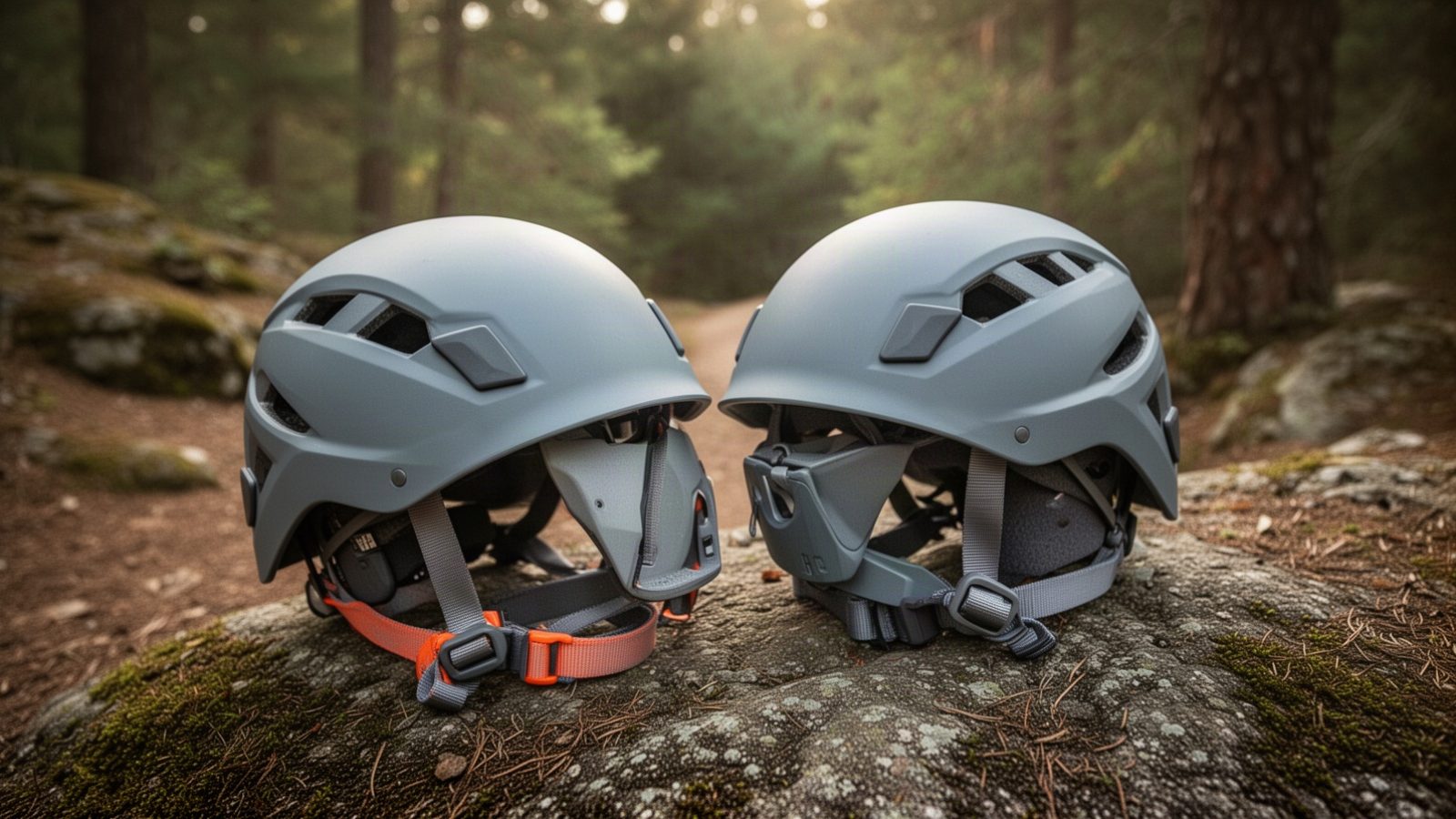
A climbing helmet is designed to reduce the risk of head injury from falling rock, dropped gear and some kinds of falls. It is standard equipment at outdoor crags, on multipitch routes and in the mountains, and many climbers wear one at every outdoor session. No helmet can prevent every injury, but wearing a properly fitted, certified helmet is one of the simplest habits in climbing.
Climbing helmets come in three main constructions — hardshell, hybrid and lightweight foam — each with different trade-offs in durability, weight and ventilation. The right choice depends on how you climb, how far you hike and how you treat your gear. We compared popular helmets from Black Diamond and Petzl on construction, weight class, adjustability and features such as headlamp clips, and picked options for different climbers. Always fit and use your helmet according to the manufacturer's instructions.
The lineup
 Best overall Petzl Boreo Helmet
Most climbers who want a durable all-rounder
9.1 Buy Now on Amazon
 Best hardshell Black Diamond Half Dome Helmet
Beginners, groups and rough handling
8.9 Buy Now on Amazon
 Best lightweight Petzl Meteor Helmet
Long approaches, alpine routes and multipitch
8.8 Buy Now on Amazon
 Best ultralight Petzl Sirocco Helmet
Weight-focused alpinists and fast-and-light climbers
8.6 Buy Now on Amazon
AI picture
- ConstructionHybrid (hard shell, foam liner)
- Weight classMid-weight
- Headlamp clipsYes
- SizesTwo
#1Best overall9.1/10
Petzl Boreo Helmet
Petzl
A hybrid helmet with a hard shell and foam liner, balancing durability and weight.
Good for: Most climbers who want a durable all-rounder
- Hybrid design balances durability and weight
- Tolerates rough handling better than foam helmets
- Headlamp clips
- Two sizes for a better fit
- Heavier than lightweight foam helmets
- Less ventilation than the lightest models
The Boreo is Petzl's durable all-round helmet, and its hybrid construction combines a hard plastic shell with a foam liner. That makes it more resistant to dings from being tossed in a pack than lightweight foam helmets, while keeping weight reasonable.
It suits climbers who split time between cragging, multipitch and general mountain use, and who do not want to baby their gear. Headlamp clips and two sizes add practicality.
It is heavier than Petzl's lightweight foam helmets and less ventilated, which you may notice on hot approaches. For climbers who want one helmet that handles a wide range of use, it is a sensible choice. Fit and use it according to Petzl's instructions.
The short version: A durable, versatile helmet for most climbers and most types of climbing.
AI picture- ConstructionHardshell
- Weight classHeavier
- Headlamp clipsYes
- SizesTwo
#2Best hardshell8.9/10
Black Diamond Half Dome Helmet
Black Diamond
A classic hardshell helmet known for durability and a budget-friendly price.
Good for: Beginners, groups and rough handling
- Durable hardshell tolerates rough handling
- Budget-friendly
- Headlamp clips
- Popular with programs and groups
- Heavier than hybrid and foam helmets
- Less ventilation
The Half Dome has been one of Black Diamond's most popular helmets for years, and its hardshell construction is the main reason. A tough shell resists dings and scrapes from being thrown in a pack or shared among a group, which makes it a favorite of beginners and climbing programs.
It is budget-friendly, comes in two sizes and includes headlamp clips for early starts.
The trade-off is weight and ventilation: hardshells are heavier and warmer than foam designs. For climbers who prioritize durability and value, it remains a solid pick. Follow Black Diamond's instructions for fitting and inspection.
The short version: A durable, budget-friendly hardshell for beginners and shared use.
AI picture- ConstructionLightweight foam with thin shell
- Weight classLight
- Headlamp clipsYes
- SizesTwo
#3Best lightweight8.8/10
Petzl Meteor Helmet
Petzl
A lightweight foam helmet with a thin shell, designed for climbing and mountaineering.
Good for: Long approaches, alpine routes and multipitch
- Light enough to forget about on long days
- Good ventilation
- Headlamp clips
- Versatile for climbing and mountaineering
- Foam dents more easily than hard shells
- Premium-priced
The Meteor is Petzl's lightweight helmet for climbers who carry their helmet far or wear it for long days. Its foam construction with a thin outer shell keeps weight down, and ventilation helps on warm approaches and routes.
It is a popular choice for multipitch, alpine routes and general mountaineering, where every ounce counts and comfort over many hours matters.
Foam helmets need more careful handling than hardshells, since they can dent if crushed in a pack. It is also premium-priced. For climbers who value light weight and comfort, it is a strong option. Replace it after any significant impact, following Petzl's guidance.
The short version: A light, comfortable helmet for long days on multipitch and alpine routes.
AI picture- ConstructionUltralight foam with thin top shell
- Weight classUltralight
- Headlamp clipsYes
- BuckleMagnetic
#4Best ultralight8.6/10
Petzl Sirocco Helmet
Petzl
An ultralight foam helmet with a magnetic buckle, aimed at climbers counting every ounce.
Good for: Weight-focused alpinists and fast-and-light climbers
- Exceptionally light
- Magnetic buckle is easy to use with gloves
- Good ventilation
- Headlamp clips
- Needs careful handling to avoid dents
- Premium-priced
- More than most gym-to-crag climbers need
The Sirocco is one of Petzl's lightest helmets, designed for climbers and alpinists who count every ounce. Its foam construction with a thin top shell keeps weight to a minimum, and a magnetic buckle makes it easy to fasten one-handed or with gloves.
It suits fast-and-light alpine climbing and long multipitch routes where weight and comfort are priorities.
Ultralight foam helmets need careful handling, since they dent more easily than hardshells and should be replaced if damaged. It is also premium-priced and more than most gym-to-crag climbers need. Follow Petzl's instructions for fit, use and replacement.
The short version: An ultralight helmet for climbers who prioritize minimal weight above all.
Compare at a glance
| Pick | Construction | Weight class | Headlamp clips | Sizes | Score |
|---|---|---|---|---|---|
| #1 Petzl Boreo Helmet | Hybrid (hard shell, foam liner) | Mid-weight | Yes | Two | 9.1 |
| #2 Black Diamond Half Dome Helmet | Hardshell | Heavier | Yes | Two | 8.9 |
| #3 Petzl Meteor Helmet | Lightweight foam with thin shell | Light | Yes | Two | 8.8 |
| #4 Petzl Sirocco Helmet | Ultralight foam with thin top shell | Ultralight | Yes | — | 8.6 |
Specs come from manufacturer listings when we wrote this guide and can change between production runs.
Buying tips
Helmet construction types
- Hardshell helmets use a thick plastic shell over a foam liner or suspension. They are durable and tolerate being stuffed in a pack, but are heavier and less ventilated.
- Hybrid helmets combine a hard plastic shell with an expanded foam liner, balancing durability and weight. They are a popular all-round choice.
- Lightweight foam (in-mold) helmets use expanded foam with a thin shell bonded on top. They are the lightest and often best ventilated, but dent more easily and need careful handling.
Certification
Look for climbing-specific certification, such as EN 12492 and UIAA 106, on the label and in the instructions. Bike and ski helmets are tested differently and are not substitutes for a climbing helmet. Buy from established brands and authorized sellers.
Fit and comfort
A helmet should sit level on your head, low enough to cover your forehead, without rocking side to side or front to back when the harness is adjusted. Check the size range, and try it with a hat if you climb in cold weather. Good ventilation helps on hot approaches and long routes, while easy-to-adjust headbands make it simpler to fit over a beanie.
Features worth having
- Headlamp clips for early starts and late descents.
- Easy-adjust headbands that can be tightened with one hand.
- Removable, washable padding.
Bright colors can also make it easier for partners to see you on a route.
When choosing between constructions, think about how you travel. If your helmet rides on the outside of a pack, gets shared with friends or is tossed in a car trunk, a hardshell or hybrid will cope better. If you carry it for hours on alpine approaches and rarely bump it around, the weight and ventilation of a foam helmet become more attractive. Many climbers who do both eventually own two helmets.
Care and replacement
Store your helmet where it will not be crushed, keep it away from chemicals and solvents, and avoid stickers or paint unless the manufacturer approves them. Inspect it before each use for cracks, dents or damaged straps. Replace a helmet after a significant impact, even if you cannot see damage, and follow the manufacturer's guidance on lifespan. Foam helmets in particular should be replaced if dented. A helmet is one part of climbing safety; learn to assess hazards and use your equipment from a qualified instructor or guide.
FAQ
QDo I need a helmet for indoor climbing?
Many gyms do not require helmets for indoor bouldering or roped climbing, but policies vary. Outdoors, a climbing helmet is widely recommended because of the risk from falling rock and dropped gear. Follow your gym's rules and your instructor's advice.
QCan I use a bike helmet for climbing?
No. Bike helmets are designed and certified for different kinds of impacts. Use a helmet certified for climbing, such as one meeting EN 12492 and UIAA standards.
QWhen should I replace my climbing helmet?
Replace it after any significant impact, if you see cracks, dents or damaged straps, or when it reaches the end of the lifespan given by the manufacturer. Lightweight foam helmets should be replaced if they are dented.
QWhich is better, hardshell or foam?
Neither is better overall. Hardshells are more durable and resist dings from rough handling, while foam helmets are lighter and better ventilated but need more careful handling. Hybrids sit in between.
How we picked
We compared manufacturer information on construction, weight class, adjustability, features and stated certifications for popular climbing helmets sold online, and considered how each brand positions its models. Our picks and scores are based on this research — we have not tested these helmets hands-on, and no helmet can prevent every injury. Brands cannot pay to be included. Read our full method.
In the same aisle
More climbing helmets to browse
A random pull from our product catalog, not ranked or reviewed.