How Refurbishing Works for W.o.w.a
Popular searches:Sony Dlp Tv Lamps xl2200Kiila Stranger Funny Things StickersDryer Exhaust Filter for Panda Dryer Filter -180California HikingGpround Bed Rest Reading Pillows for Sitting inHdp Extreme Water-repellent Dog Boots Red Set ofHaomeili Women S Summer Swimwear Two Pieces Tankini
Nothing for “w.o.w.a” yet. A shorter, more general word usually works better — try “blender” rather than a model number.
Reusing an item's original fasteners, fittings and parts during reassembly keeps everything fitting as designed. Mixing up screws of different lengths can damage panels or leave parts loose. Keep fasteners in labeled bags or trays during cleaning or repair, and refer to photos or the manual when putting things back together.
Look at how parts are held together. Screws threaded directly into soft plastic can strip after a few rounds of tightening, while metal threaded inserts hold firm through repeated assembly and repair. Rivets and welds are strong but hard to undo, and glue makes repairs nearly impossible. Products meant to last a long time tend to use fasteners that can be removed and replaced without damaging the surrounding material.
Connectors, ports and standards change over time, and choosing a product that uses current ones can extend its usefulness. A product built around an older standard may become awkward to pair with newer equipment. When comparing options, check which connections and formats each one supports. Choosing widely adopted, current standards is one of the more reliable ways to future-proof a purchase sensibly.
You might like these instead
 AI picture
Best ductless Broan-NuTone 41000 Series 30-Inch Ductless Range Hood
From our under-cabinet range hoods lineup
 AI picture
Best high security Kryptonite New York Fahgettaboudit Mini U-Lock
From our bike locks lineup
 AI picture
Best ridged design Milk-Bone Brushing Chews Daily Dental Treats
From our dog dental chews lineup
 AI picture
Best self-sharpening Calphalon Classic Self-Sharpening 15-Piece Knife Block Set
From our knife block sets lineup
 AI picture
Best overall Anker Nano Charger (30W)
From our usb-c wall chargers lineup
 AI picture
Best premium Made In Seasoned Carbon Steel Wok, 13-Inch
From our carbon steel woks lineup
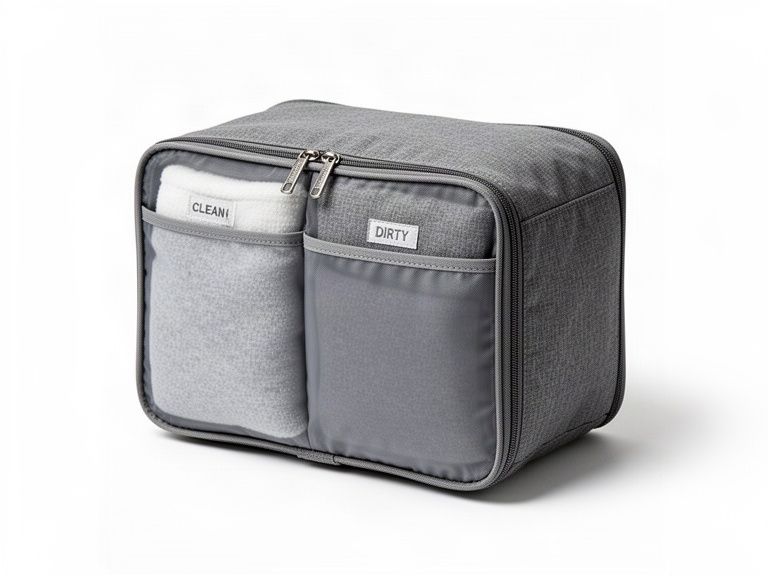 AI picture
Best premium Peak Design Packing Cube
From our packing cubes lineup
 AI picture
Best lightweight Deuter Speed Lite 21
From our hiking daypacks lineup